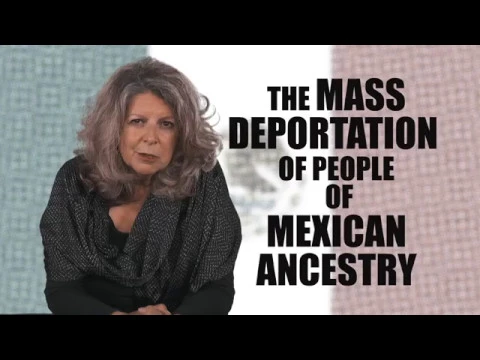
History - This is us
Sharing the tragic history and key moments that shaped the Hispanic experience in Texas. This information, articles, and videos are available online. We have brought them here to save you the chore of having to search for them. This is not all inclusive.
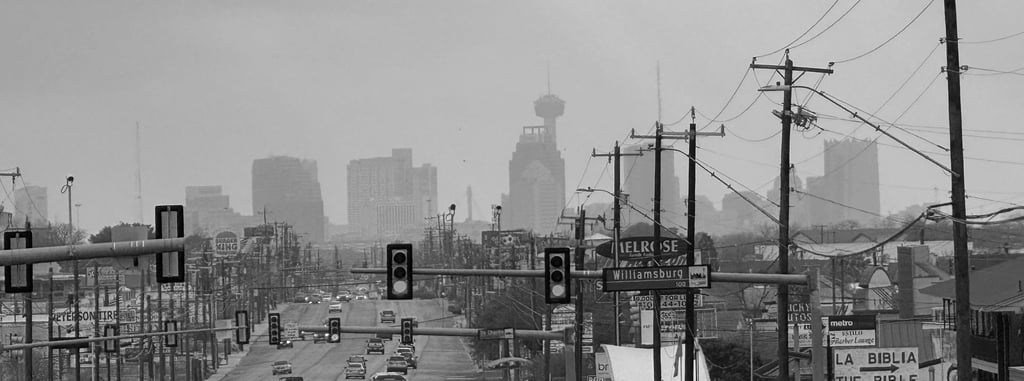
Texas history tells its story but it is very incomplete.
Non Apologetic History
Massacre of Border Rage: A History of Racial Violence in the RGV
Words by Yamilet Galvez
Edited by Abigail Vela
Refusing to Forget.ORG
The History of Racial Violence on the Mexico - Texas Border
SOME OF THE WORST RACIAL VIOLENCE IN UNITED STATES HISTORY TOOK PLACE ALONG THE MEXICO-TEXAS BORDER FROM 1910 TO 1920
JESUS BAZÁN & ANTONIO LONGORIA - History
The efforts to memorialize the double murder of Jesus Bazán and Antonio Longoria were slow to materialize.

Border Bandits (AI-generated video summary)
Border Bandits recounts a grandfather's 1915 South Texas story, revealing a dark chapter in Texas Ranger history. This true account challenges the romanticized image of Rangers, exploring events that remain largely unknown. The documentary uses archival footage and interviews to examine this controversial period.

ABC 13-Houston - What is 'La Matanza' and why is it not in Texas history books?
The story of 'La Matanza' is a dark time in Texas history not written in books. But now, there's a push to ensure the story is told and not forgotten.
YouTube Stories
Echoes from the Past
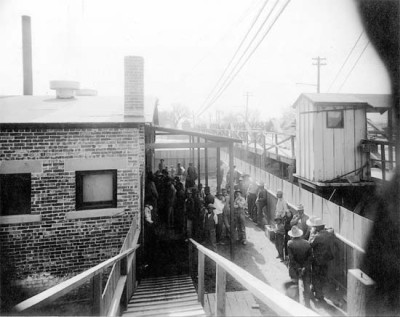


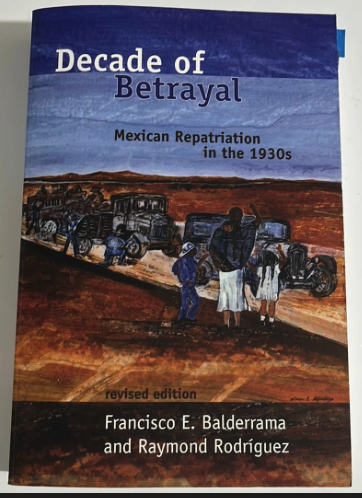

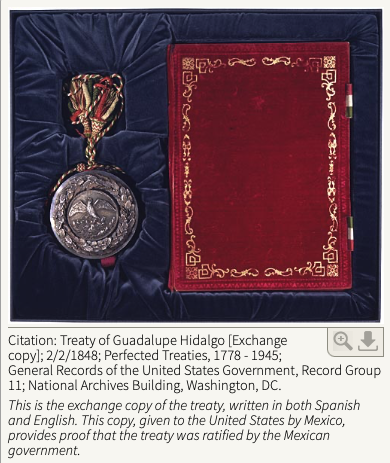


Snapshots of Hispanic experiences in Texas
Mexicans wait to be bathed and deloused at the Santa Fe Bridge quarantine plant, 1917. Source: National Archives


The History of the Bracero Program: Mexican Farm Labor in the U.S.
On August 4, 1942, the United States government signed the Mexican Farm Labor Program Agreement with Mexico, the first among several agreements aimed at legalizing and controlling Mexican migrant farmworkers along the southern border of the United States. Managed by several government agencies, including the Department of Agriculture, as a temporary, war-related measure to supply much-needed workers during the early years of World War II, the Bracero (Spanish for "arm-man"—manual laborer) program continued uninterrupted until 1964. The agreement guaranteed a minimum wage of thirty cents an hour and humane treatment (in the form of adequate shelter, food, sanitation, etc.) of Mexican farmworkers in the United States. During the first five years of the program, Texas farmers chose not to participate in the restrictive accord. In 1943 the Texas growers, through the American Farm Bureau Federation, lobbied in Washington to weaken the terms of the agreement, since they suspected that the accord would eventually apply to seasonal workers in other areas, domestic service, and other related fields of temporary employment. Texas farmers, in the meantime, opted to bypass the Bracero program and hire farmworkers directly from Mexico. These unauthorized workers, often referred to pejoratively as "wetbacks," entered the United States illegally.
Understanding Operation Wetback: A Historical Overview of U.S. Immigration Policy
OPERATION WETBACK.Operation Wetback was a repatriation project of the United States Immigration and Naturalization Service to remove undocumented Mexican immigrants (pejoratively referred to as "wetbacks") from the Southwest. During the first decades of the twentieth century, the majority of migrant workers who crossed the border illegally did not have adequate protection against exploitation by American farmers. As a result of the Good Neighbor Policy, Mexico and the United States began negotiating an accord to protect the rights of Mexican agricultural workers. Continuing discussions and modifications of the agreement were so successful that the Congress chose to formalize the "temporary" program into the Bracero program, authorized by Public Law 78. In the early 1940s, while the program was being viewed as a success in both countries, Mexico excluded Texas from the labor-exchange program on the grounds of widespread violation of contracts, discrimination against migrant workers, and such violations of their civil rights as perfunctory arrests for petty causes. Oblivious to the Mexican charges, some grower organizations in Texas continued to hire undocumented Mexican workers and violate such mandates of PL 78 as the requirement to provide workers' transportation costs from and to Mexico, fair and lawful wages, housing, and health services. World War II and the postwar period exacerbated the Mexican exodus to the United States, as the demand for cheap agricultural laborers increased. Graft and corruption on both sides of the border enriched many Mexican officials as well as unethical "coyote" freelancers in the United States who promised contracts in Texas for the unsuspecting bracero. Studies conducted over a period of several years indicate that the Bracero program increased the number of undocumeted immigrants in Texas and the rest of the country. Because of the low wages paid to legal, contracted braceros, many of them skipped out on their contracts either to return home or to seek unauthorized work elsewhere for better wages.
Migrant Health in Texas: A Historical Overview
MIGRANT HEALTH.Migrant health in Texas did not become a major issue until the Great Depression. Like other agricultural and border states, Texas experienced increased numbers of unemployed agricultural workers looking for employment. Migrant workers’ annual incomes ranged between $278 and $500, well below what a family of four needed to survive at the time. In response, the New Deal Farm Security Administration established operations in several farm labor camps in Texas which were located along migratory paths, near cities such as Harlingen, Weslaco, and Robstown, where workers lived in decent housing and had access to health services (see FARM PLACEMENT SERVICE OF TEXAS). Migrant health problems included malnutrition, poor sanitation, and access to hospitals for severe illnesses. Concerns about migrant health continued during the World War II Bracero Program that brought workers from Mexico in the 1940s and continued to bring Mexican migratory workers during the post-war years through 1964. Labor and health conditions were also complicated by the growing numbers of undocumented workers.
Understanding Mexican Repatriation from Texas: Historical Insights
Although a great deal of attention has been focused on Mexican immigration by scholars on both sides of the border, far less attention has been given to emigration of Mexicans and Mexican Americans from the United States. Casual reference has been made in many studies to the repatriation of Mexicans from Texas, but few published studies have examined these departures in detail. The most neglected era of Mexican repatriation from the United States is before 1930. Although substantial Mexican repatriation from Texas occurred at that time, no published study has examined Mexican departures between 1836 and 1930. Mexican repatriation during the Great Depression has received more attention. During the 1930s, a single article on Mexican repatriation from Texas was published; "The Mexicans Go Home" by Edna E. Kelley appeared in the Southwest Review in 1932. Nothing more appeared until the 1980s, when four brief articles on diverse aspects of depression-era repatriation appeared. These included articles on deportation from the lower Rio Grande valley (1981), on Mexican repatriation and the Texas Cotton Acreage Control Law of 1931–32 (1983), on the repatriation of Bridgeport, Texas, coalminers (1984), and on Mexican repatriation from South Texas (1990).
The Rise of Mexican American Political Power in Crystal City
In 1963 and again in 1969, Mexican Americans in Crystal City organized against Caucasian domination of city hall and the public school system. The result was an electoral victory for Hispanic Texans for the first time since the city's incorporation in 1910.
Civil Rights Issues in Texas: A Historical Overview
Issues of civil rights in Texas are generally associated with the state's two most prominent ethnic minorities: African Americans and Mexican Americans. Mexican Americans have made efforts to bring about improved political circumstances since the Anglo-American domination of Texas began in 1836. African Texans have fought for civil rights since their emancipation from slavery in 1865. Organized campaigns, however, were not launched until the early twentieth century.
The Impact of Viva Kennedy and Viva Johnson Clubs on Mexican American Political Participation
Aztlán: The Chicano Movement's Symbol of Identity and Nationalism
The Canales Investigation: A Landmark Inquiry into Texas Ranger Misconduct
The Porvenir Massacre: A Tragic Chapter in Texas History
The Porvenir Massacre was one of a series of clashes between Mexican-descent men and the Texas Rangers set off by the Mexican Revolution and accompanying events. In January 1918 the residents of Porvenir were landowners and farmers, who raised livestock, grew produce, and raised their families in an arid desert climate. They were making a life in arguably the most challenging environment in Texas. In the mid-1910s Manuel Moralez, for example, owned farmland and raised cotton, and successfully irrigated his crops by diverting water from the Rio Grande. Moralez’s irrigation system helped him expand his venture. Residents also cared about education. Harry Warren maintained a public school where local families sent their children. He had approximately twenty students, boys and girls. Students came from the Bonilla, Flores, Gonzalez, Jáquez, Lares, Moralez, and Nieves families.
The Texas Rangers’ lore spurred cultural fawning and sports namesakes that have long masked a history of violence and racism